


Our Spacecraft Line Up
Our spacecraft
line up
Taking advantage of our experience in designing, testing, building and operating spacecraft in cislunar space, ispace offers lunar landers, orbiters and rovers, tailored to a wide variety of mission profiles and requirements. By working with partners in Japan, Europe, and the U.S., the company improves technology and designs lightweight, scalable solutions for different payloads. To speed up development and cut costs, ispace uses agile methods, delivering high-quality, efficient lunar transport while helping customers reduce logistical and financial challenges.
This 3D model could not be displayed.
※requires Smartphone
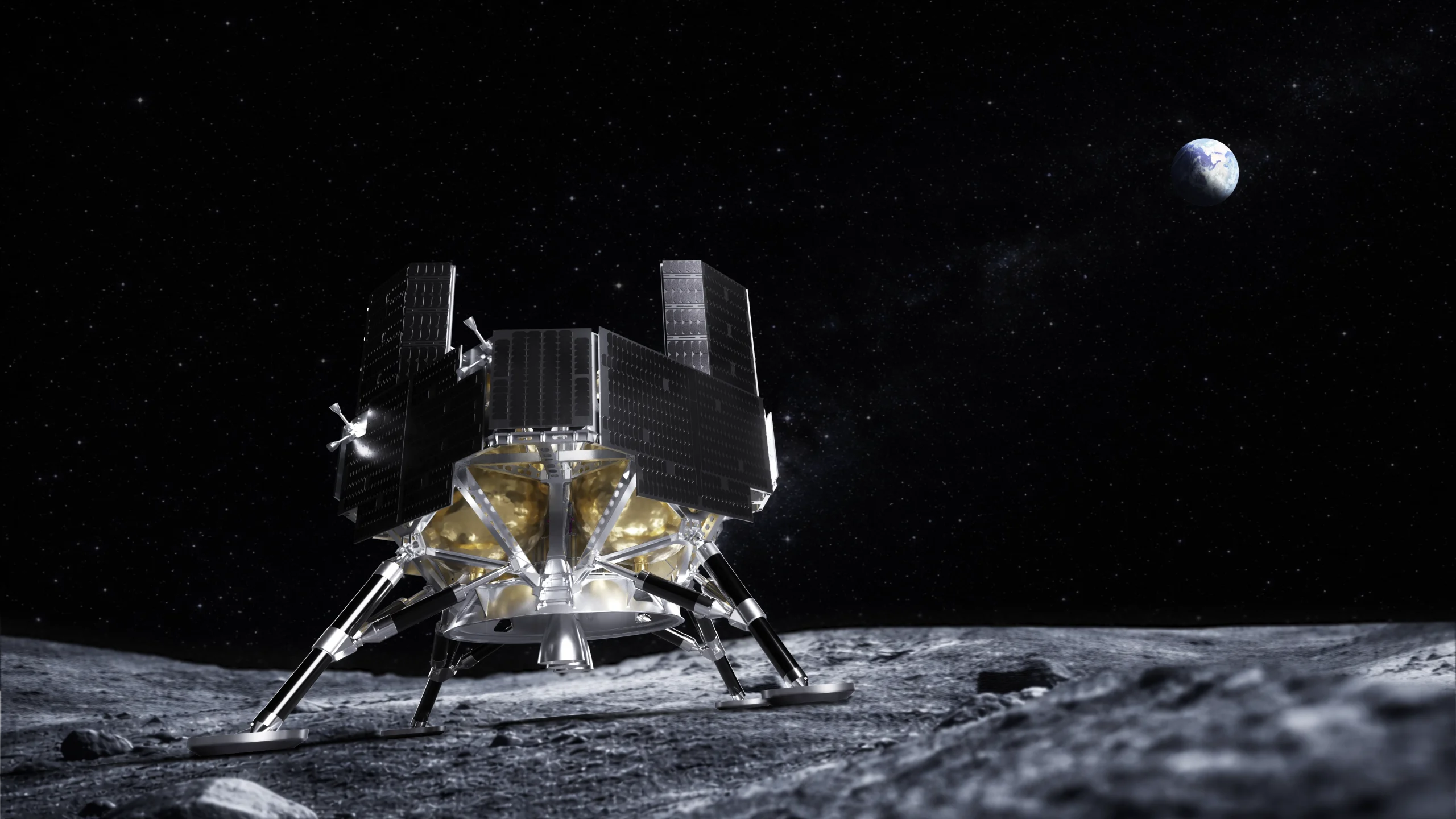
ULTRA Lander
Size:
Height approx. 3.6m
Width approx. 3.3m
(Landing legs extended)
Weight:
Approx. 1,000kg(Dry)
Payload Capacity:
Max. several hundreds kg
Summary:
Development of the ULTRA lander is currently under way. It will first be used for Mission 3, currently planned to launch in 2028. The ULTRA lander for Mission 3 is being funded by a Small Business Innovation Research grant administered by Japan’s Ministry of Economy, Trade and Industry. The same ULTRA lander design will further be used in Mission 4 and future missions.
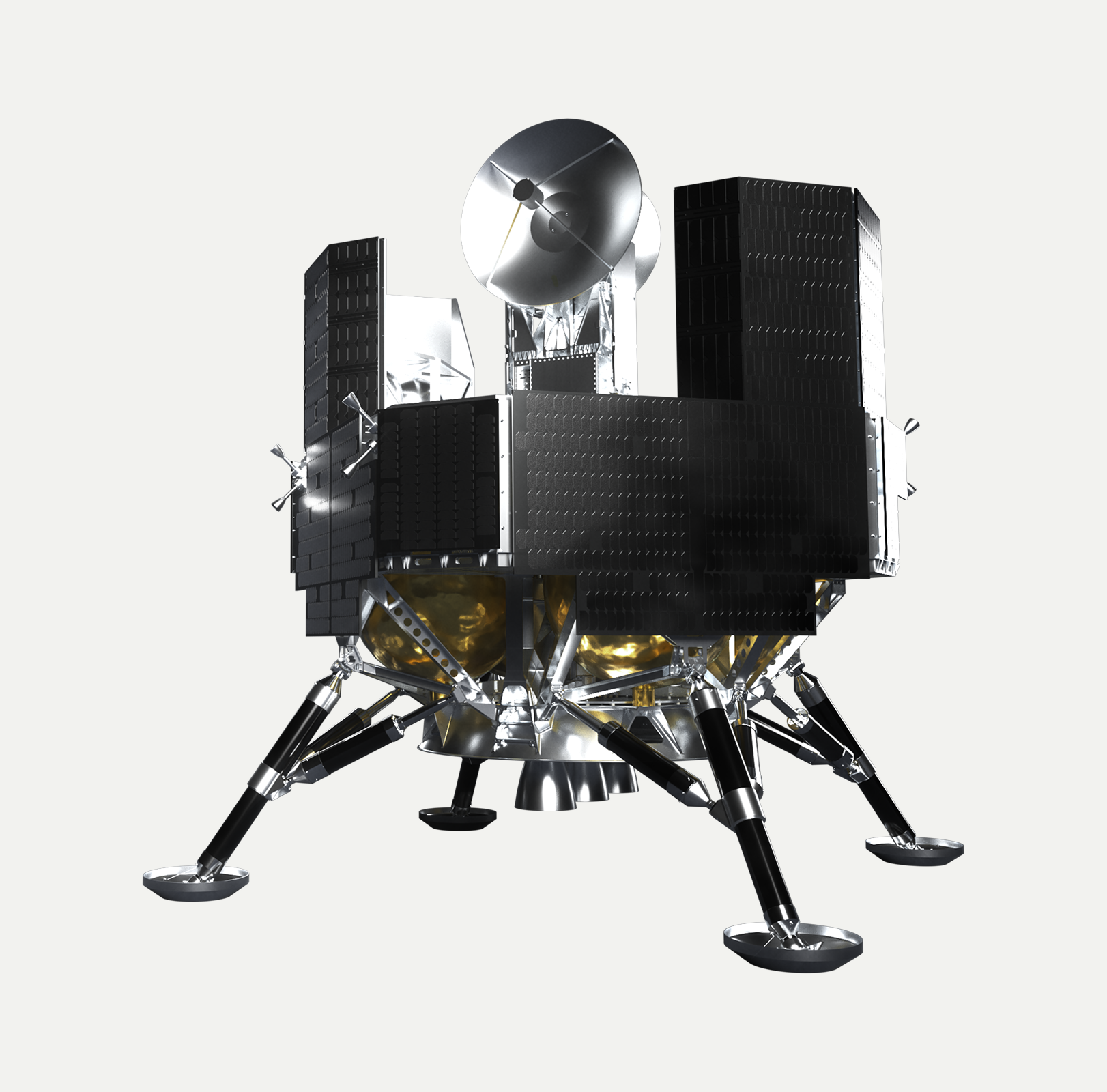
RESILIENCE Lander
A commercial lunar lander used for delivering customer payloads to the Moon
Size:
Height approx. 2.3m,
Width approx. 2.6m
(Landing legs extended)
Weight:
Approx. 1,000kg (Wet: fully fueled)
Approx. 340kg (Dry: unfueled)
Payload Capacity:
Up to 30kg
Summary:
Lander designed to carry up to 30kg payload for use in Missions 1 and 2; useful data obtained from M1 will be used in the development of the lander used in M2
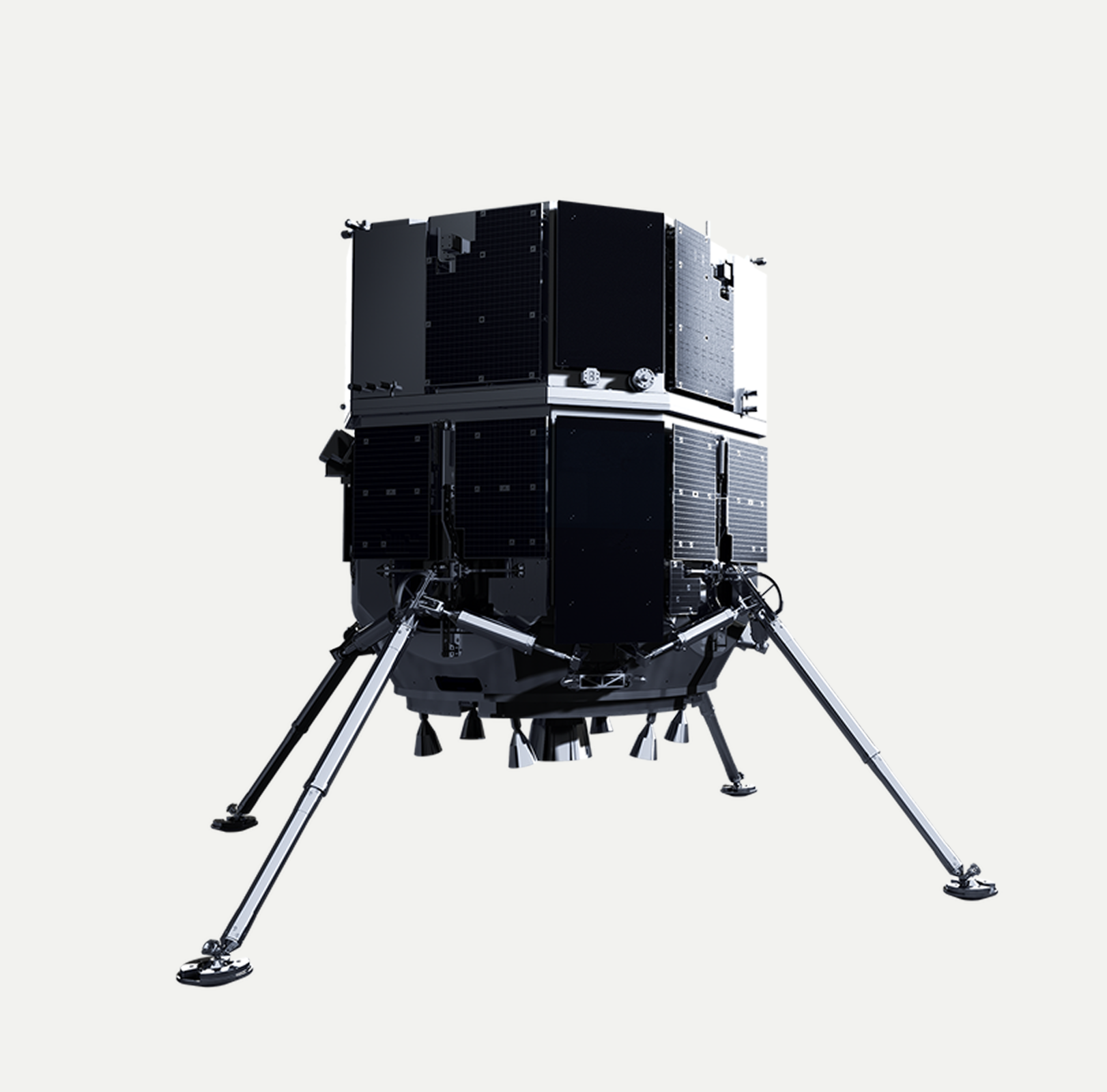
Tenacious
One of the smallest and lightest planetary rovers in the world
Size:
Height approx. 26 cm
Width approx. 31.5 cm
Weight:
Approx. 5kg
Payload Capacity:
Max. 1kg
Summary:
The self-propelled micro-rover is designed to navigate over the lunar surface to explore and collect data. The frame is made of CFRP (carbon fiber reinforced plastic), which is lightweight but durable enough to withstand vibrations.
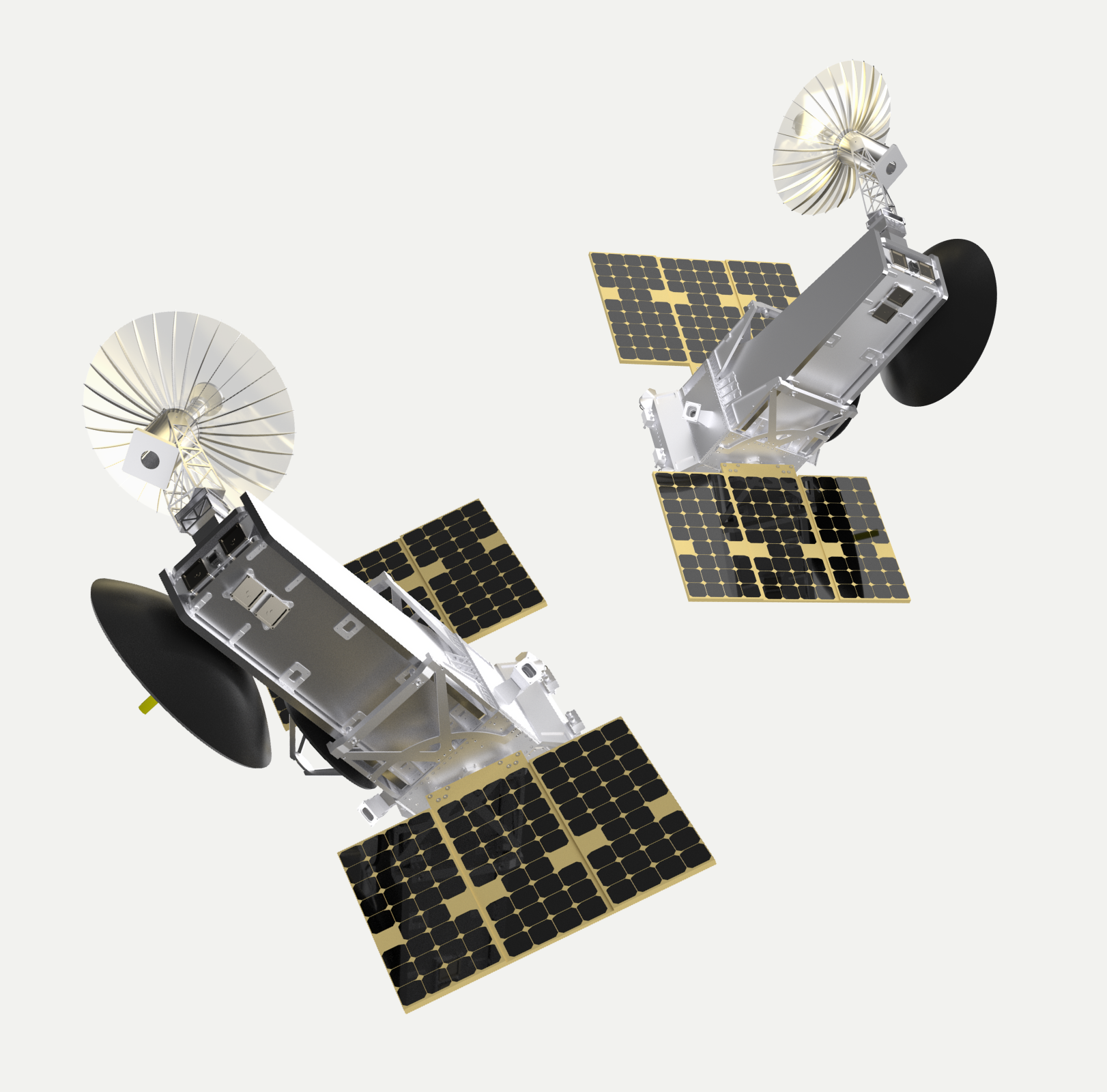
Alpine & Lupine satellites
Summary:
Alpine and Lupine are equipped with bi-directional S-band command, telemetry links, and a high-speed Ka-band lunar proximity uplink and X-band downlink to Earth for low-latency real-time communications. After the primary surface mission, Alpine and Lupine naturally circularize into High Circular Polar Orbits (HCPO). These orbits provide near-global coverage of the lunar surface with a focus region over the poles. For each lunar day cycle, the relays provide simultaneous visibility of Earth and lunar South Pole regions.
ispace is the gateway to the Moon for its customers. Tailored to your requirements, mission profile and budget, we offer support from the design stage to testing and integration and through deep-space operation. No previous space experience required!